

The pull of real flavour
It comes out of a foundry that has been casting the heart of the engine for over forty years. The same sand, the same heat, the same hands. Only the destination changed: the stove.
Why cast iron
A pan is not made good by coating it. It is made good by casting it thick, so it takes heat, holds heat, and builds its own surface over the years.
900°C
From raw material to perfection.
High heat meets pure iron. Every piece takes its shape above 900°C and turns into something that lasts.
Learn more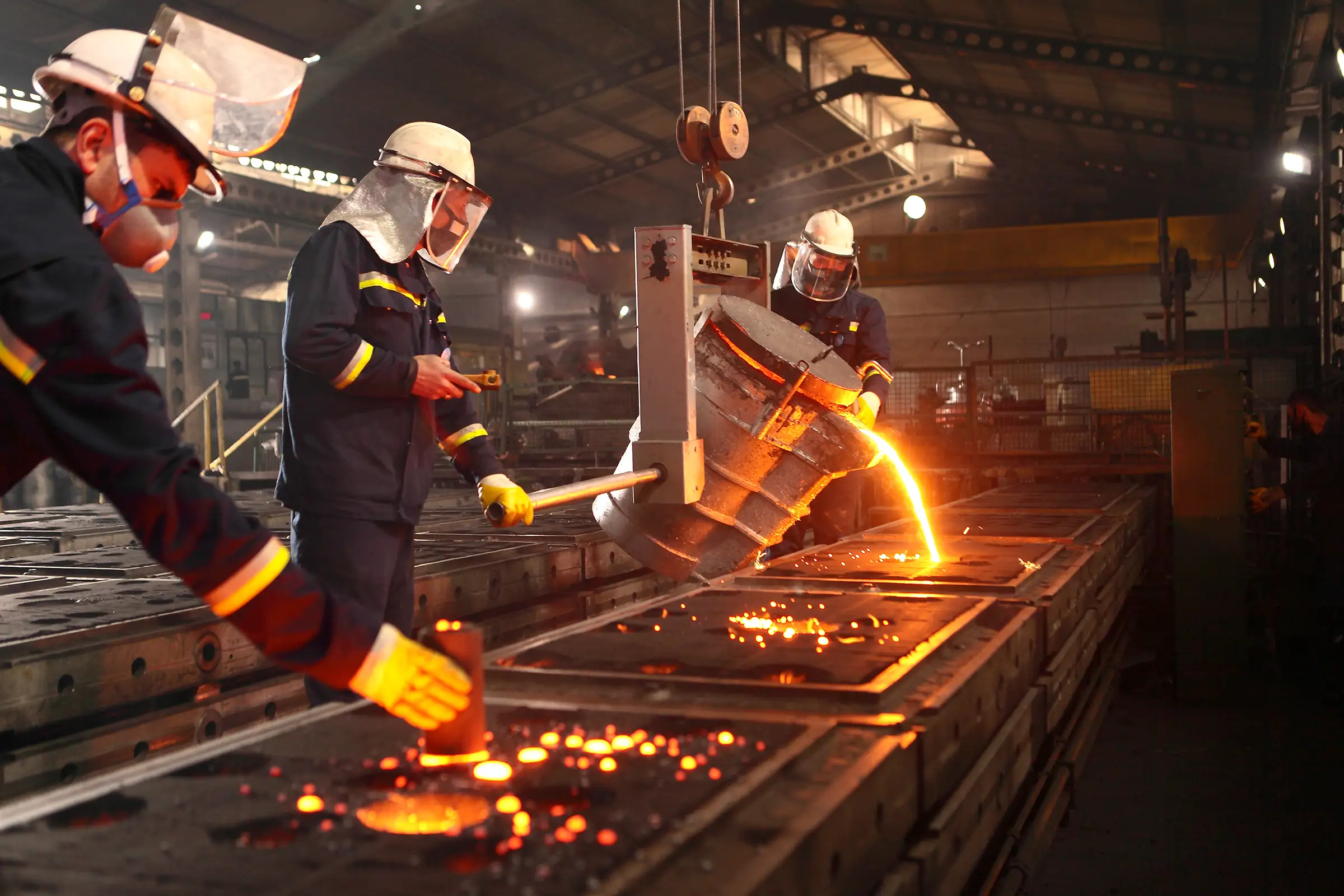
Form shaped by fire. Flavour sealed by time.
Every cast piece is shaped in the hands of our masters from iron melted at high heat. Its surface gathers the marks of time; inside it, the memory of thousands of meals.
Explore our processFind Your Perfect Size
From single servings to family feasts, every ESTAŞ pan is cast for a specific use.
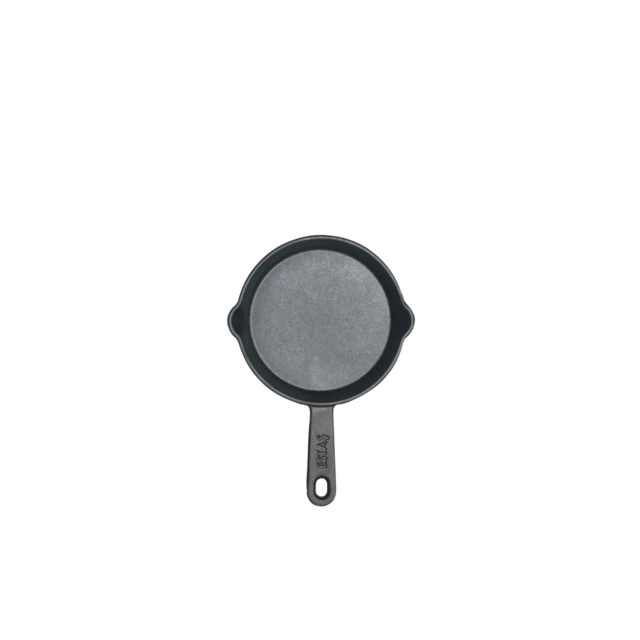 14cm
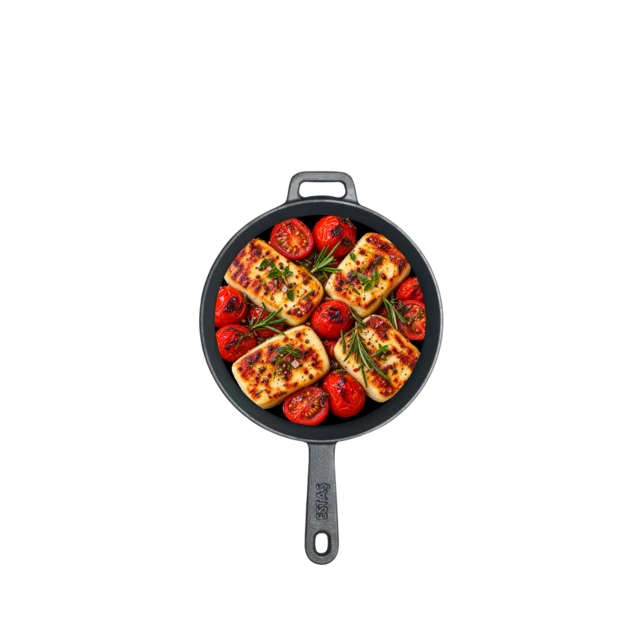
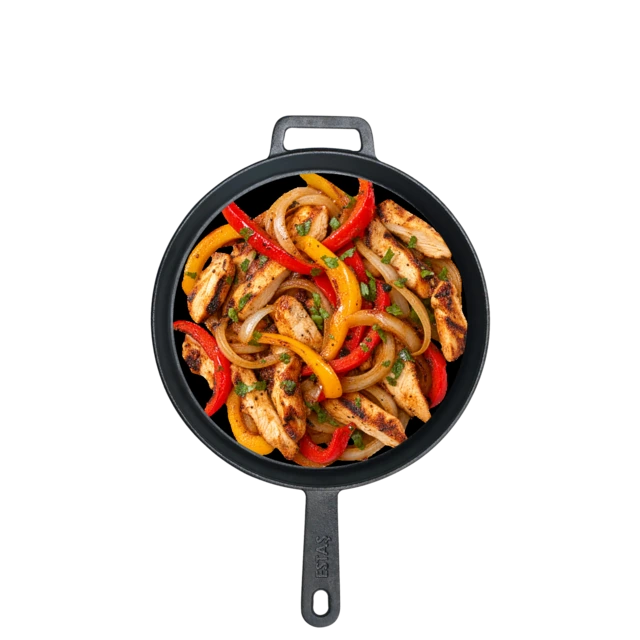
Skillet 14
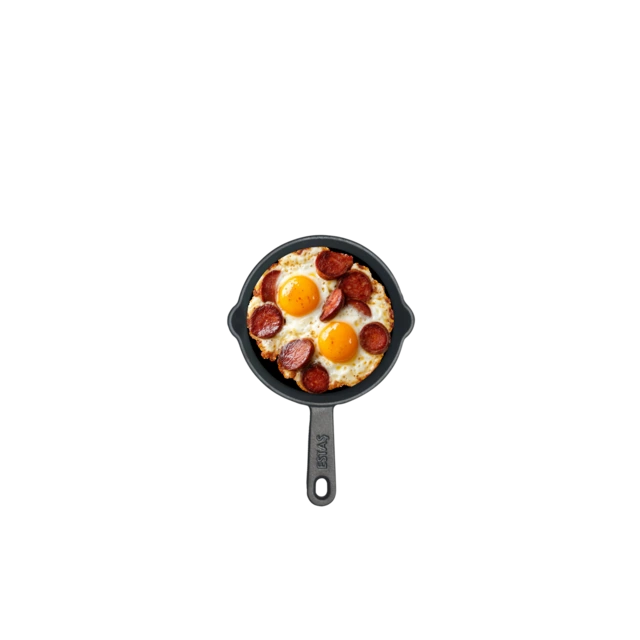
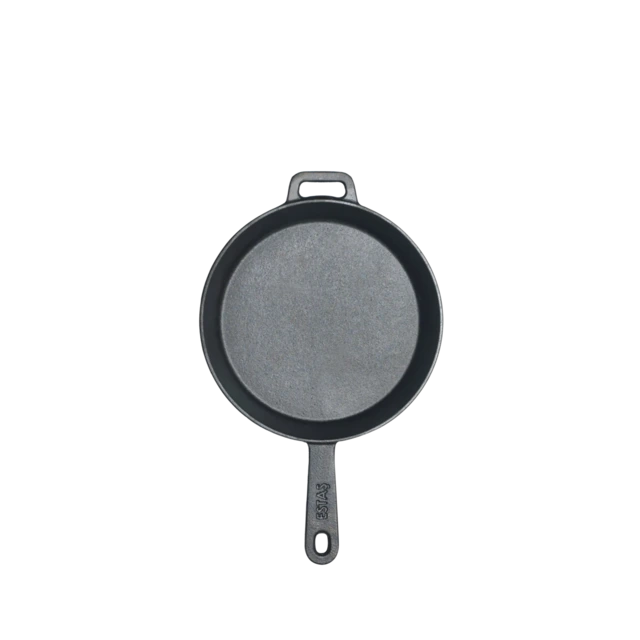 20cm
Skillet 20
 26cm
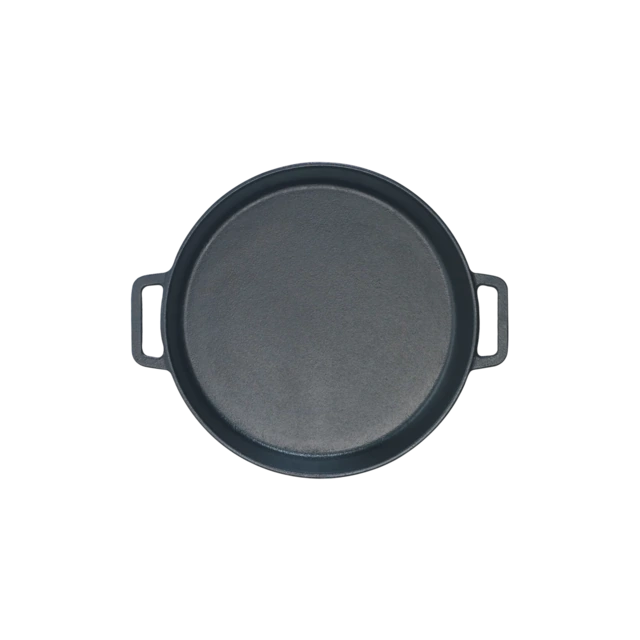
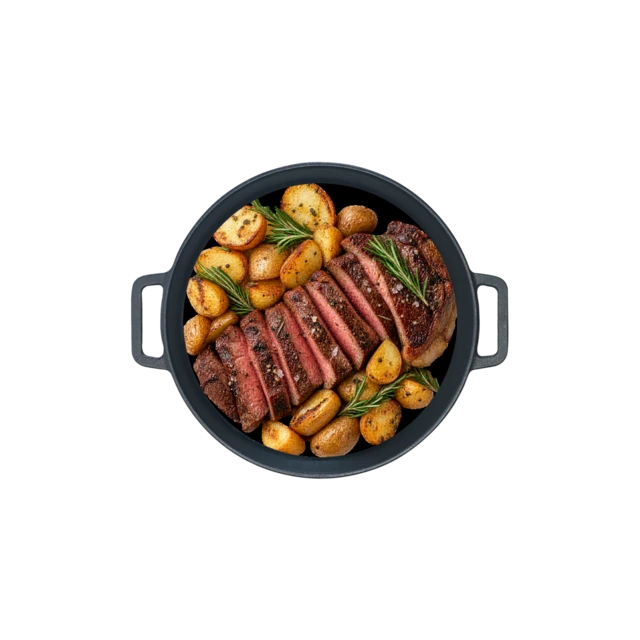
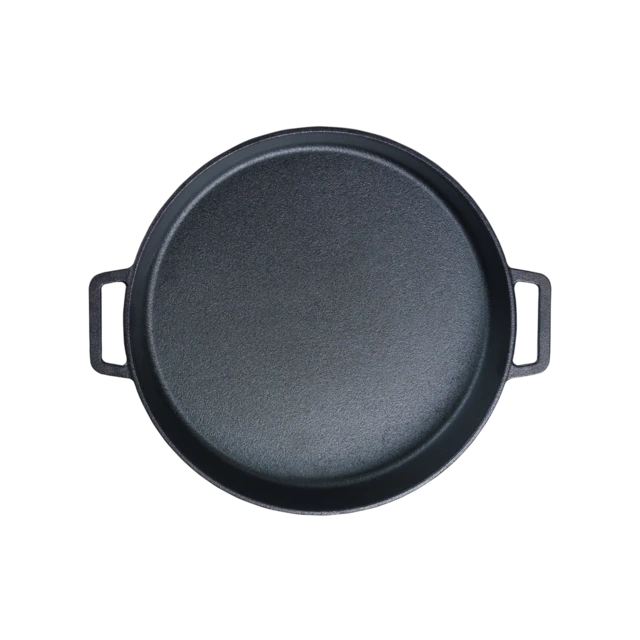
Cast Pan 26
 28cm
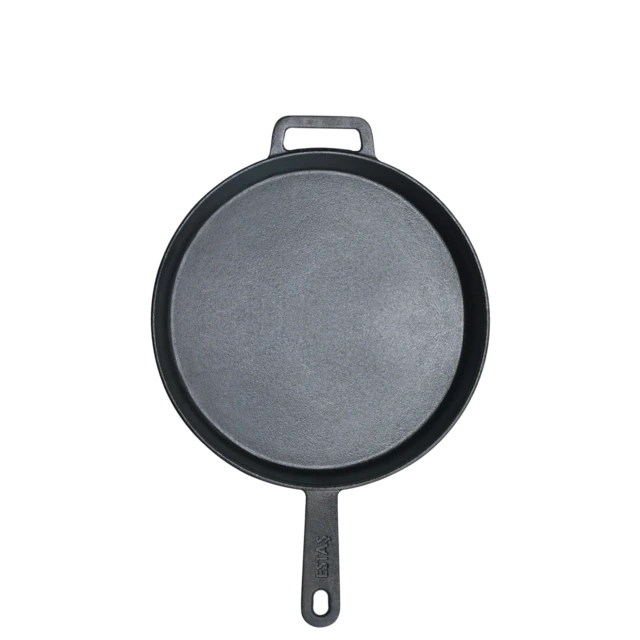
Skillet 28
 32cm
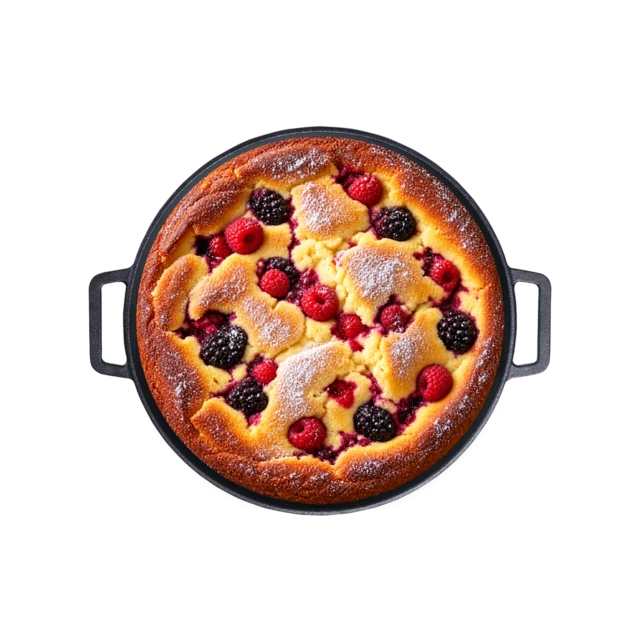
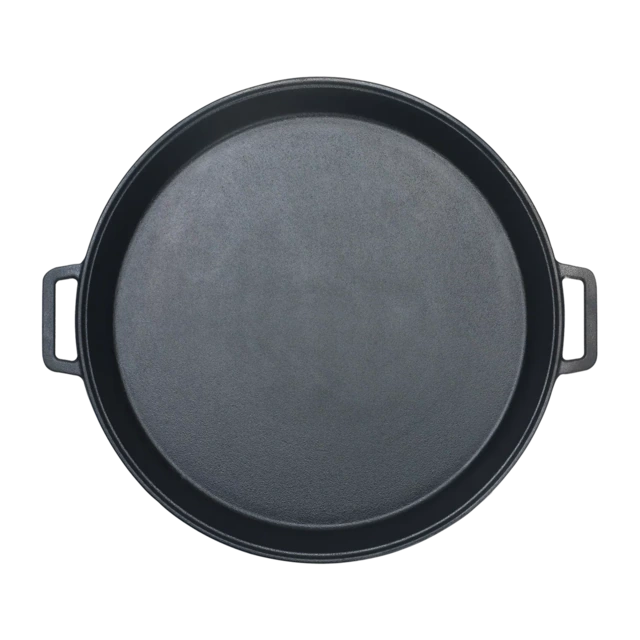
Cast Pan 32
 40cm
Cast Pan 40
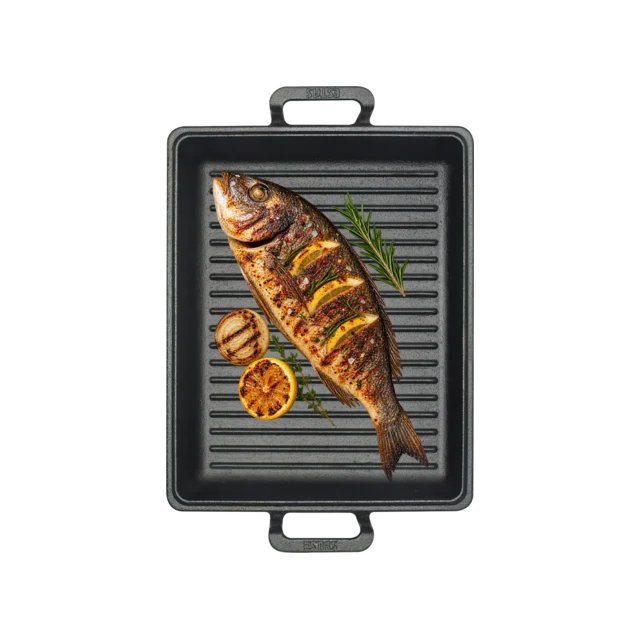
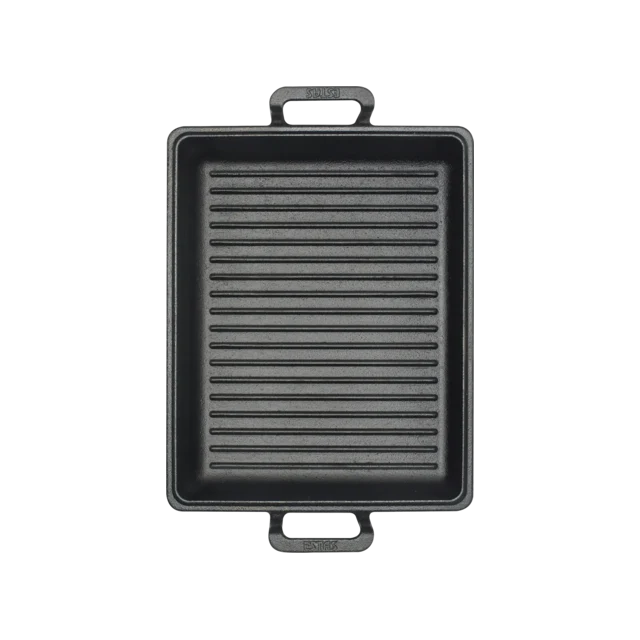 26×32cm
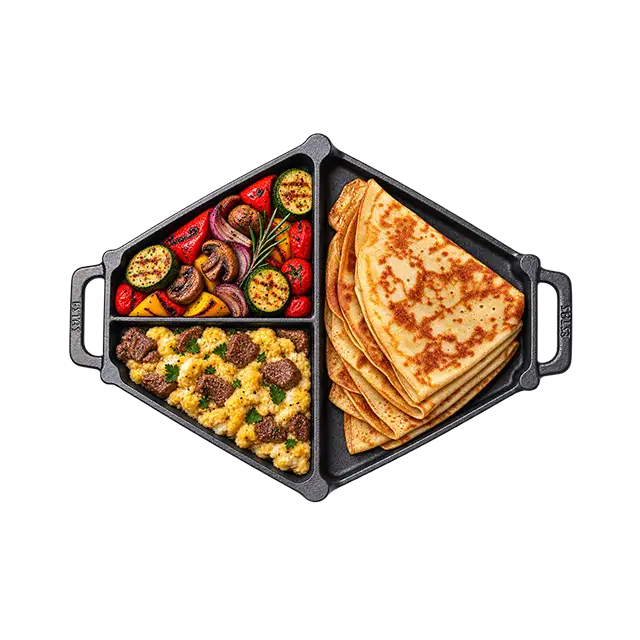
Grill Pan
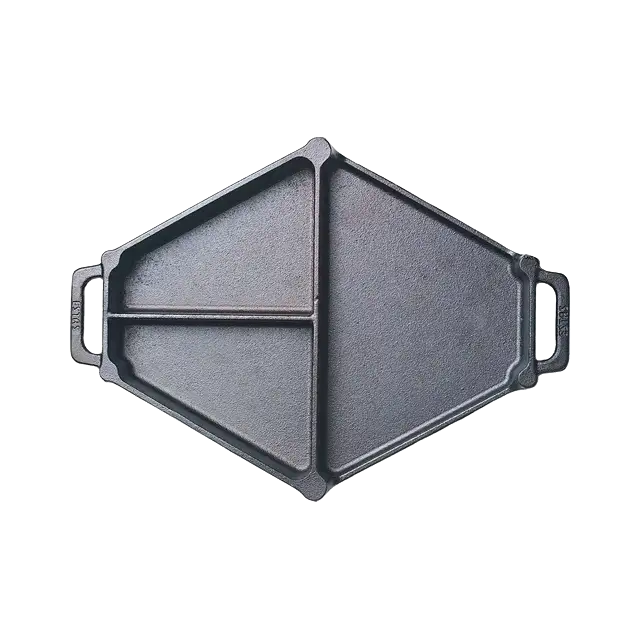 Divided
Camp Pan
New
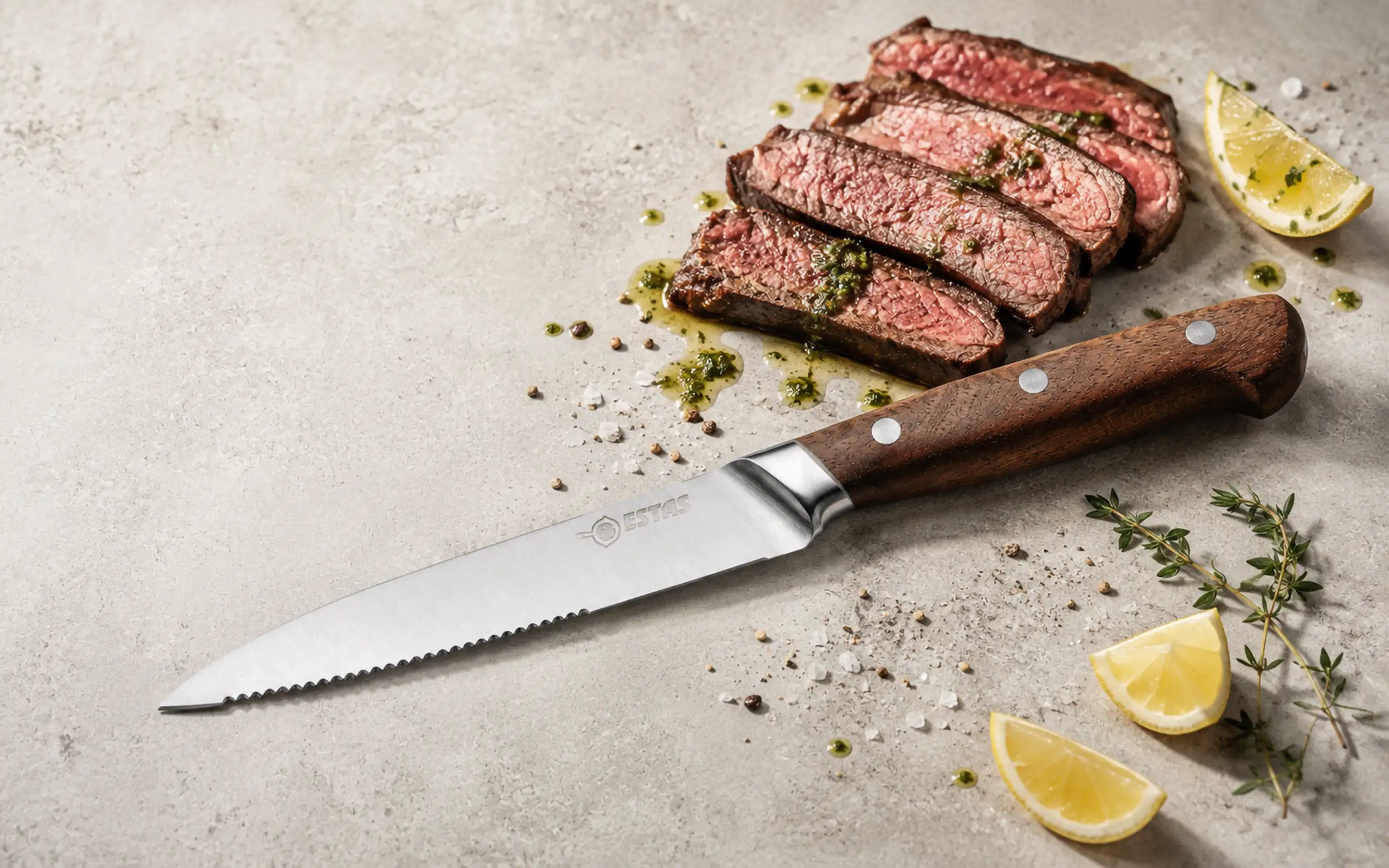
Sharpness, brought to the table.
Forged steel edge, walnut handle, riveted tang. The knife that does justice to what the pan cooked.
No coating. One piece of iron.
Thermal mass
Thick iron stores heat. When cold food goes in the surface does not collapse, so a crust forms.
Natural face
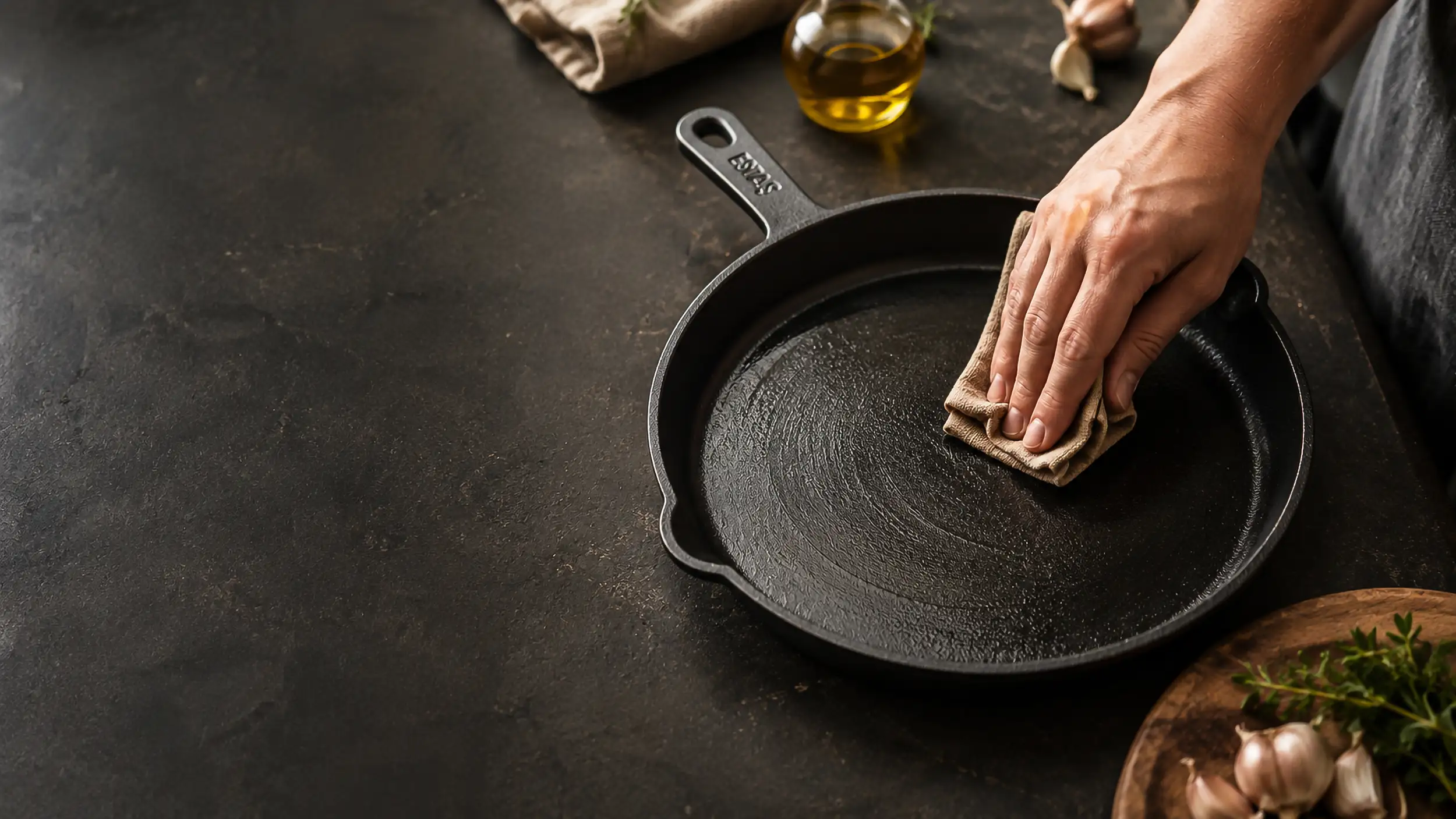
The release comes from seasoned oil bonded to iron, not from a chemical layer. It improves with use.
One piece
Handle, body and lugs are the same casting. There is no joint to loosen, work free or break.
Lifespan
Cared for properly, cast iron does not wear out, it renews. The cook changes. The pan stays.
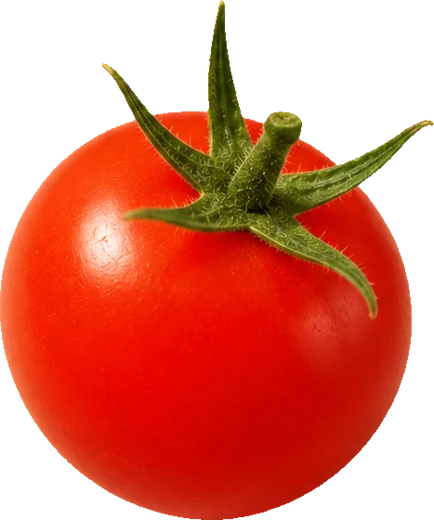
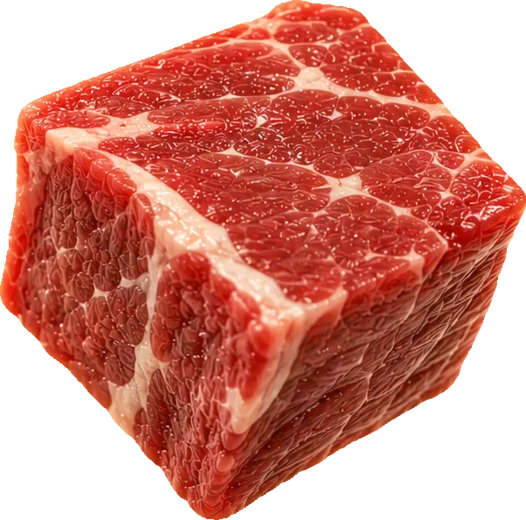
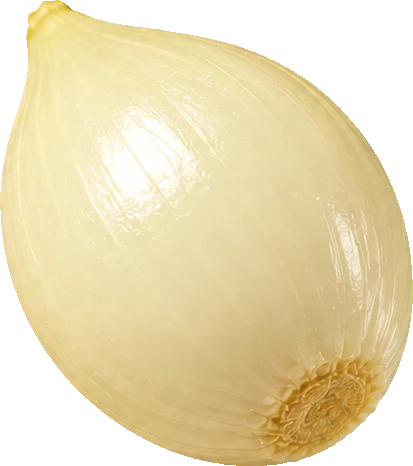
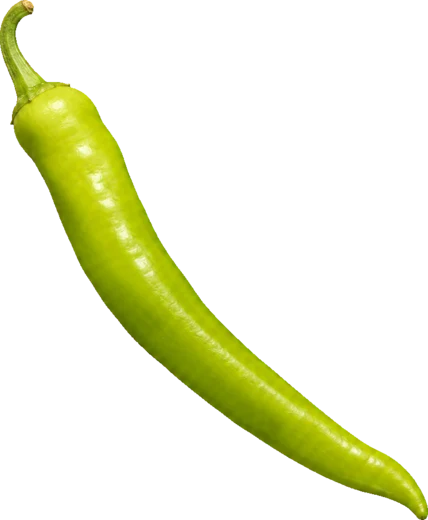
Over the fire
Cooking with cast iron
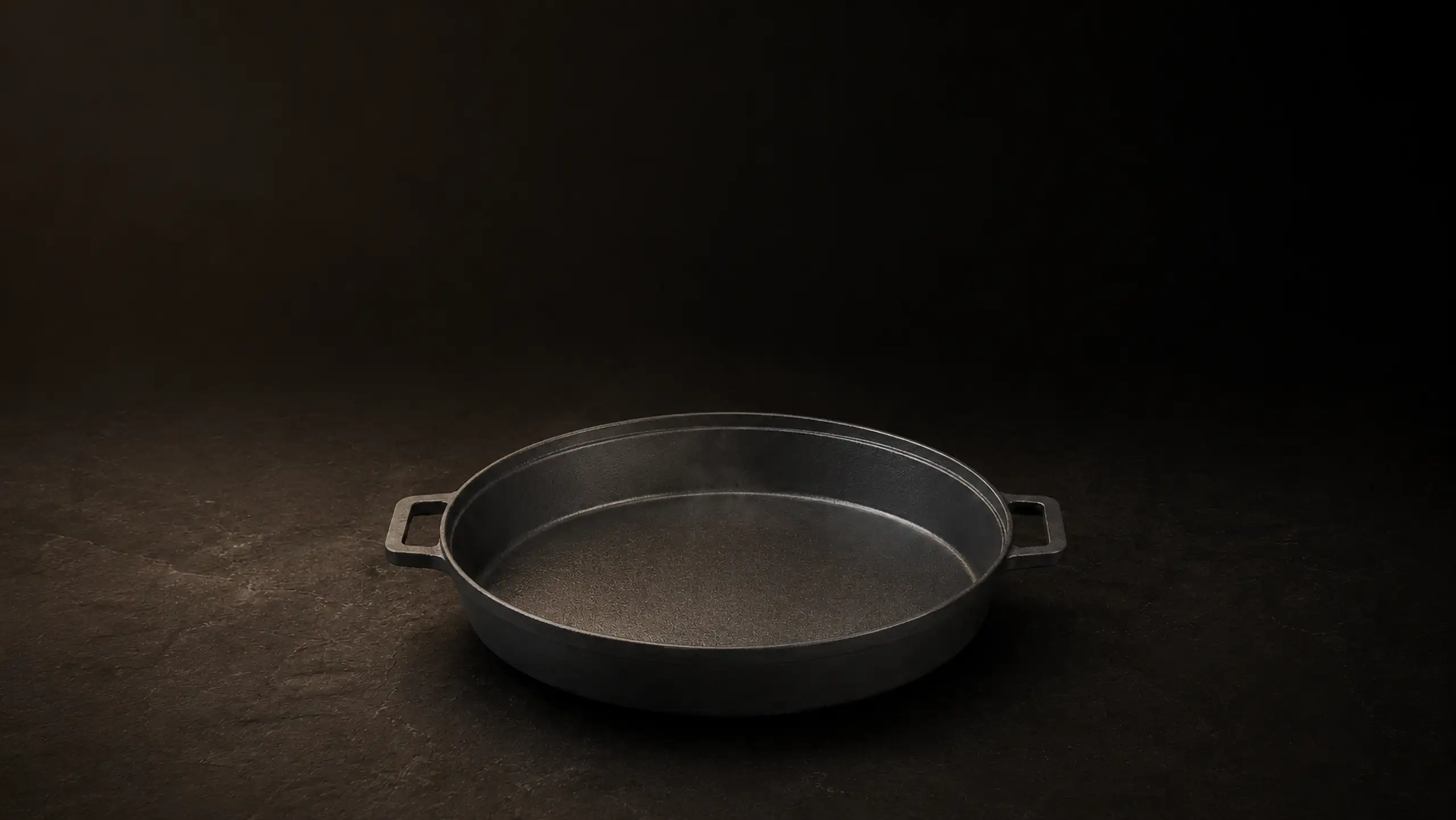
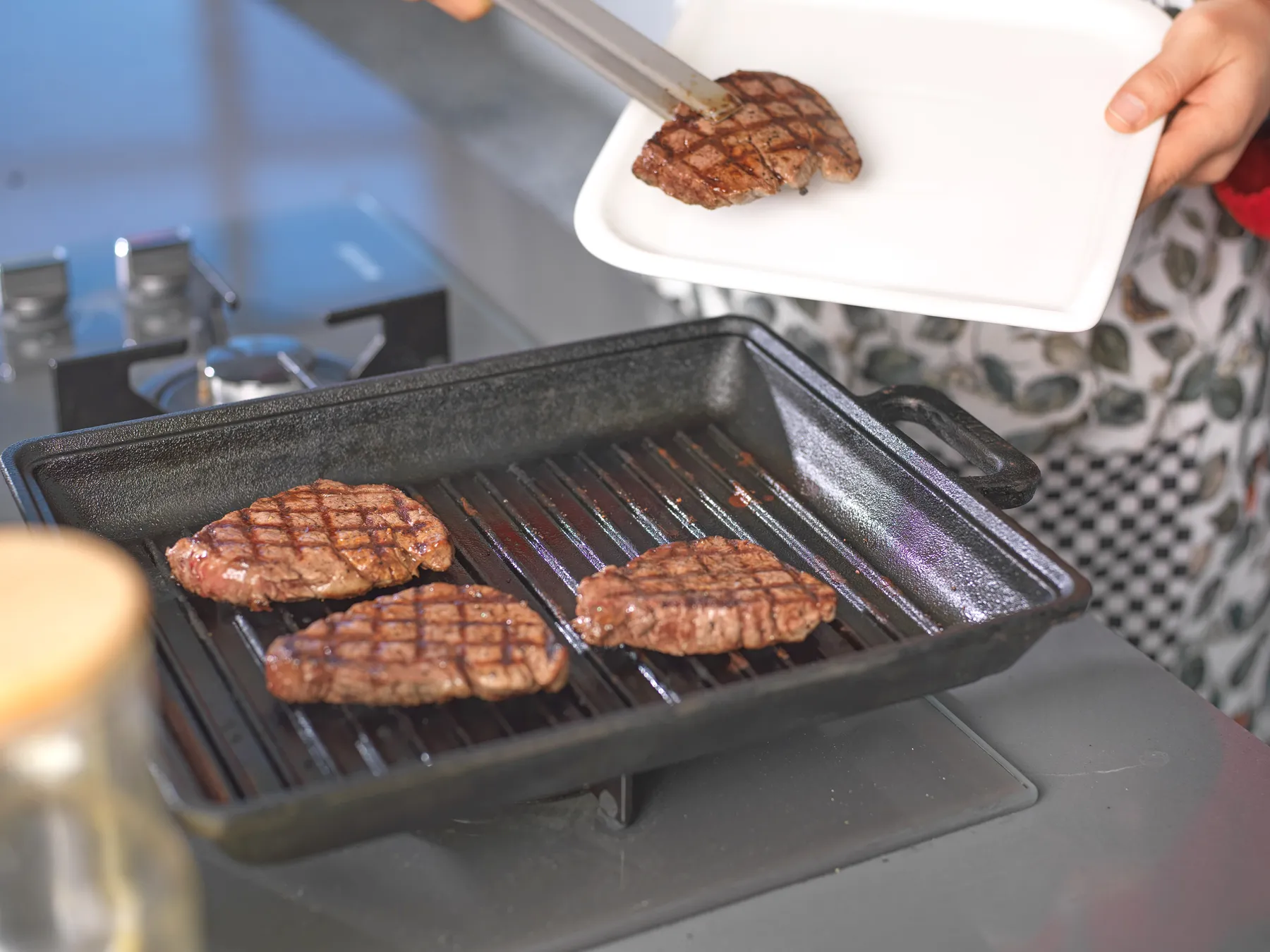
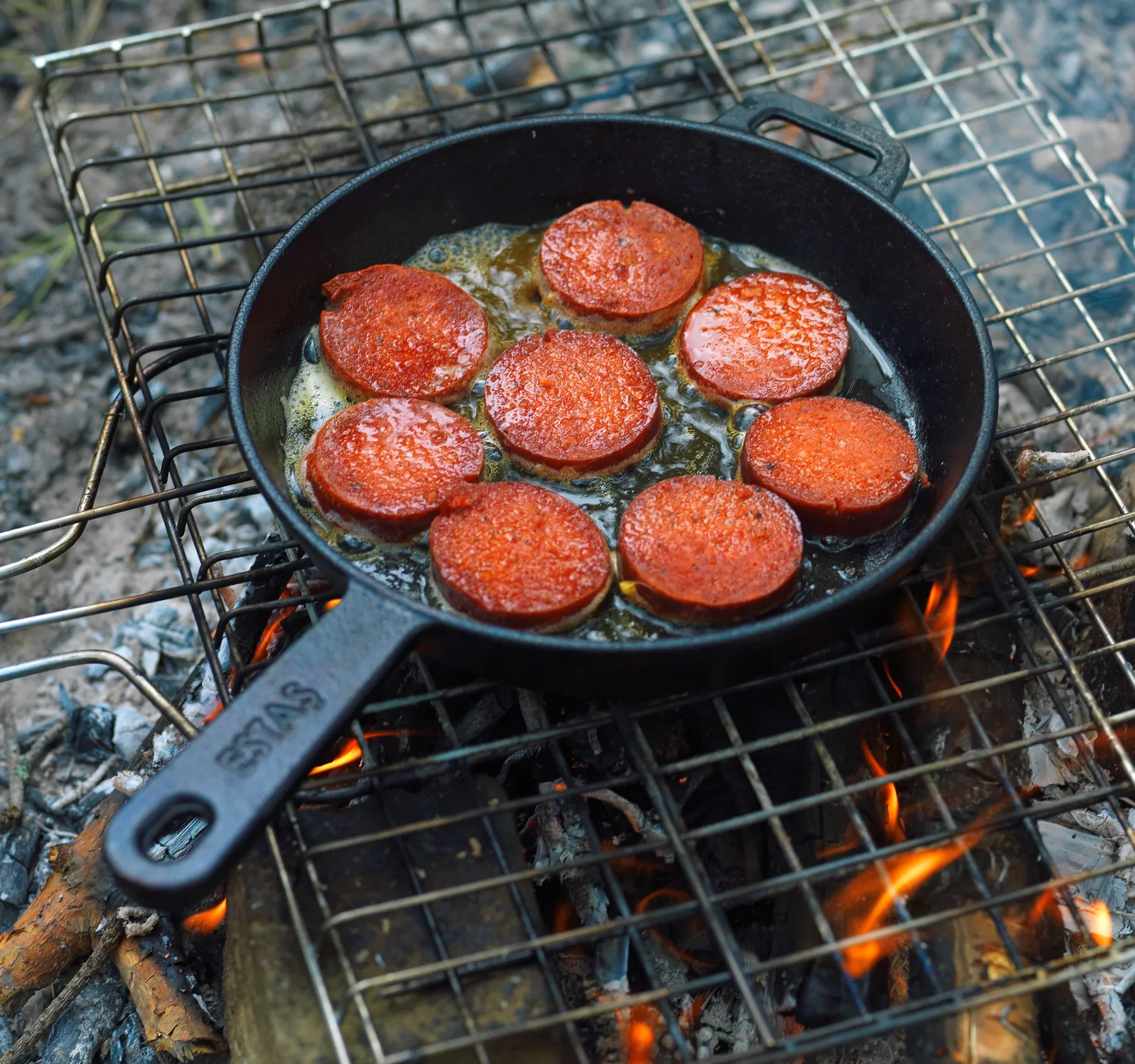
- Preheat the pan Warm the pan over medium heat for a few minutes before cooking.
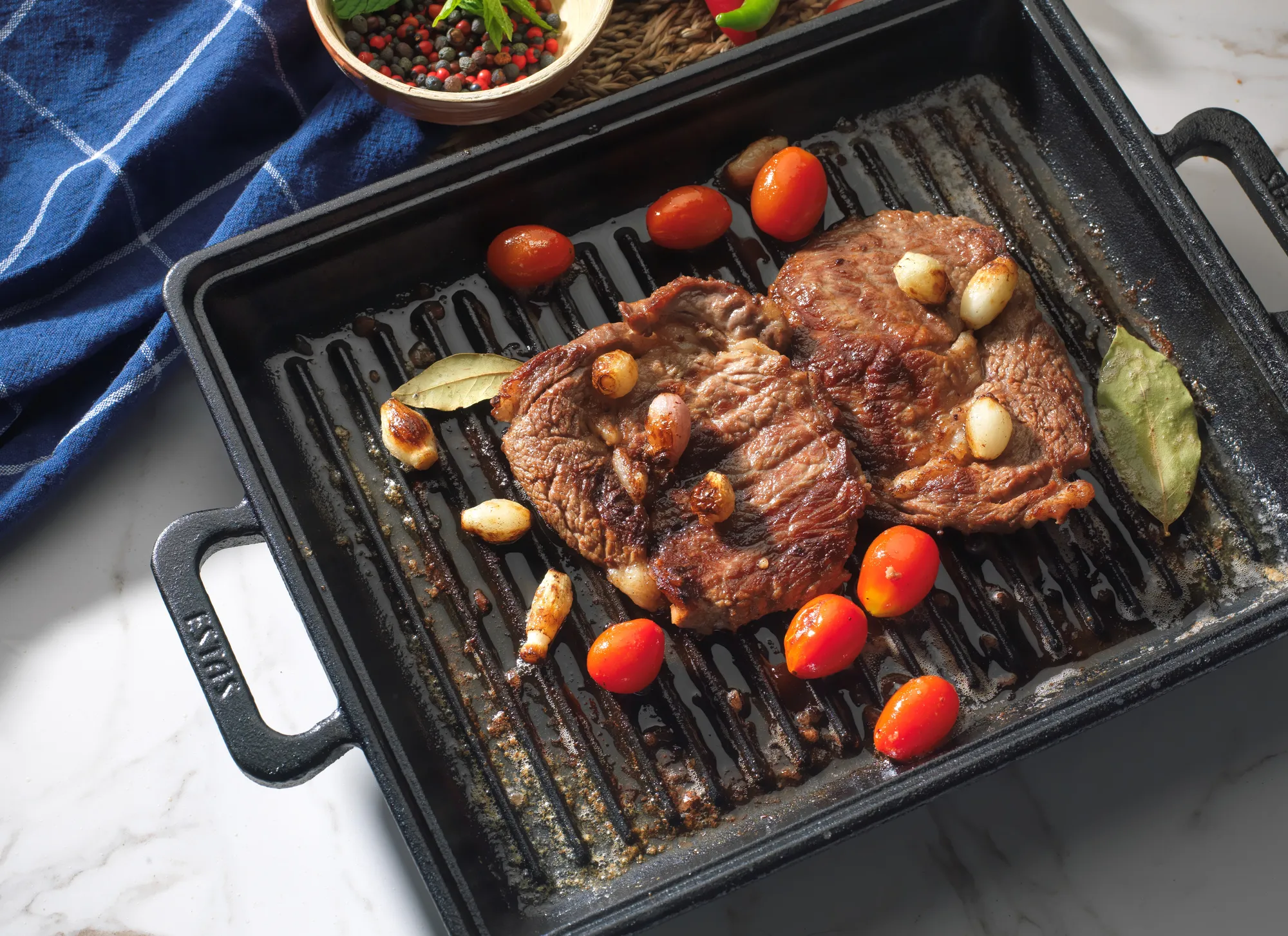
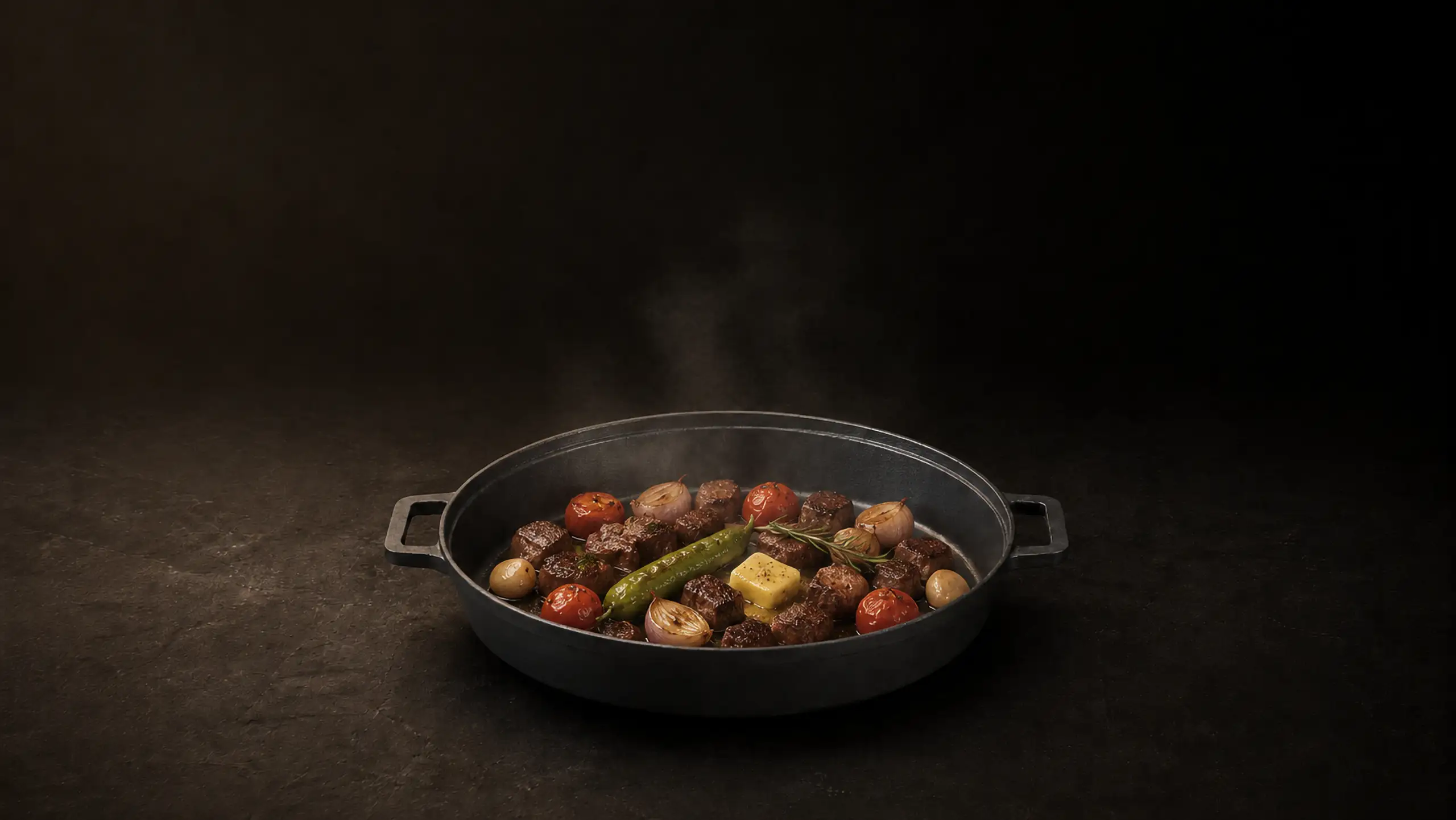
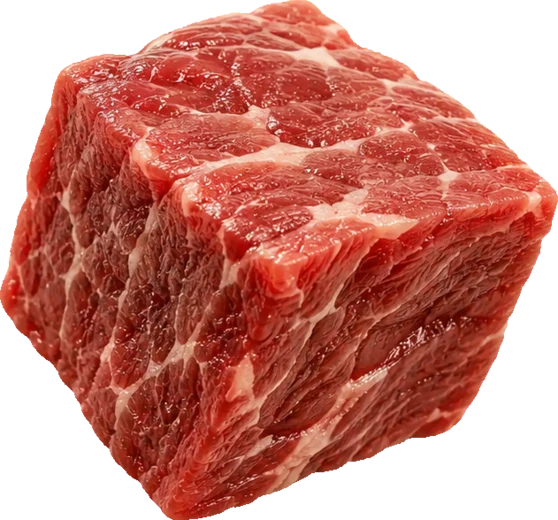
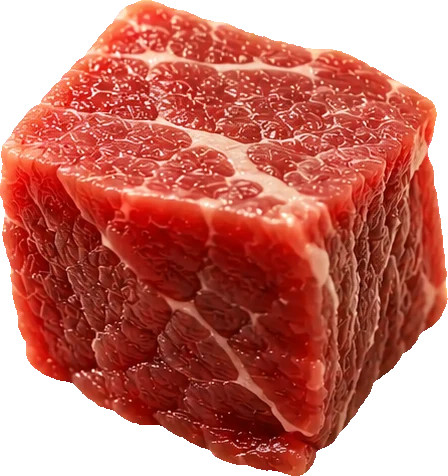
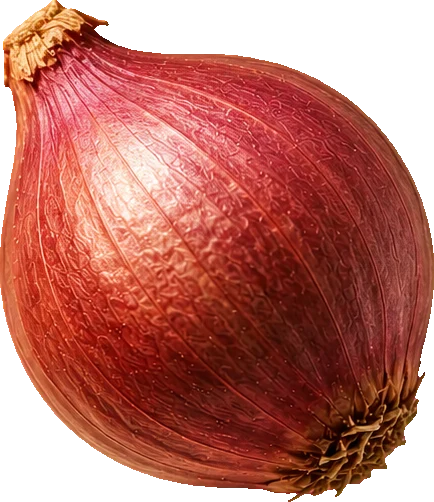
- Add the ingredients Place the meat in the pan. Add garlic and fresh herbs to taste.
- Brown the meat Let one side brown without moving the meat, then turn it over.
- Serve hot If serving straight from the pan, place it on a heat-resistant trivet.
The rosette comes from the mould.
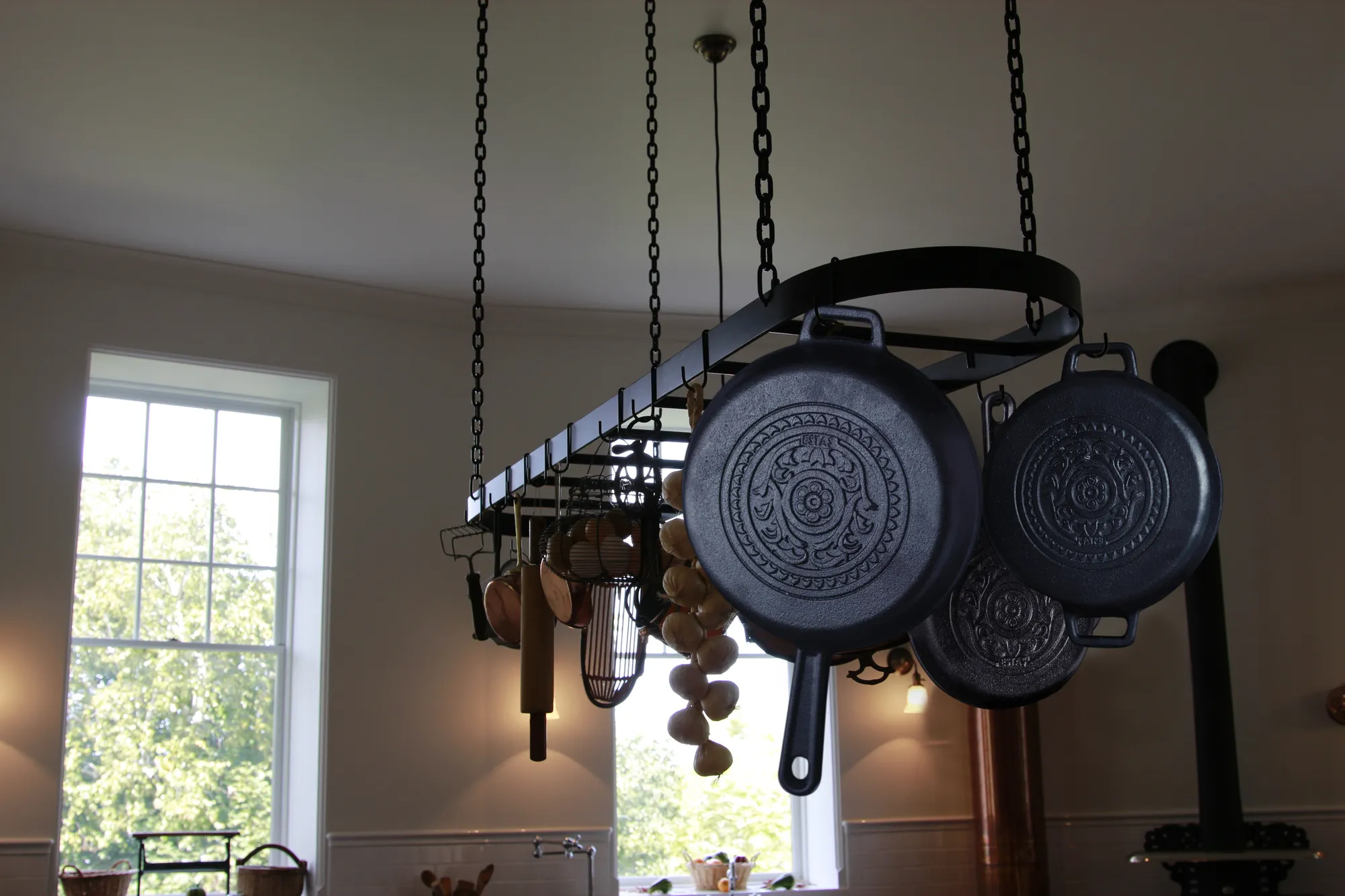
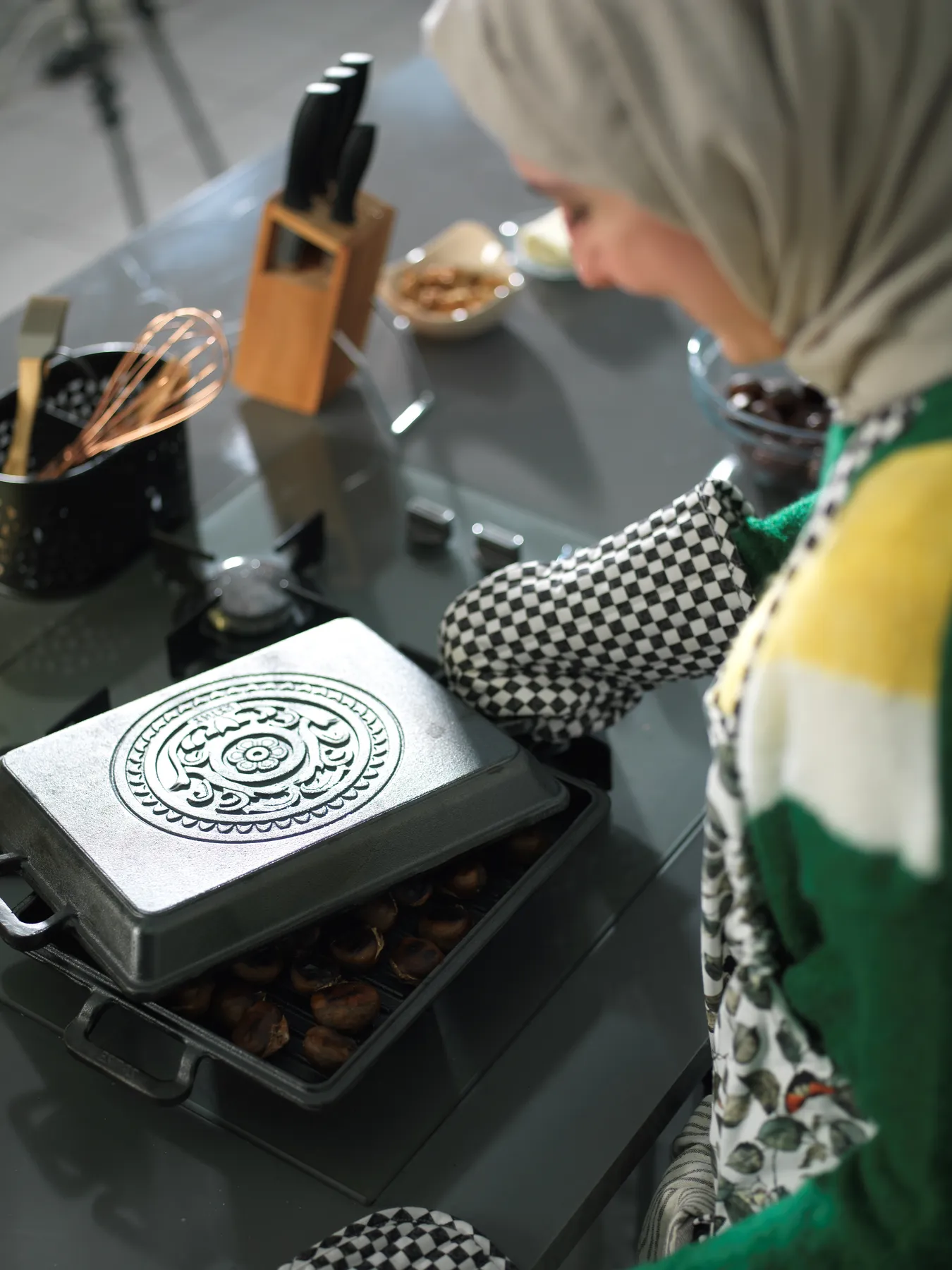
The Anatolian rosette on our cast iron lids is not printed or engraved afterwards. It is carved into the mould, so it takes shape with the lid the moment the iron is poured, and never comes off.
The pan's work does not end in the kitchen.
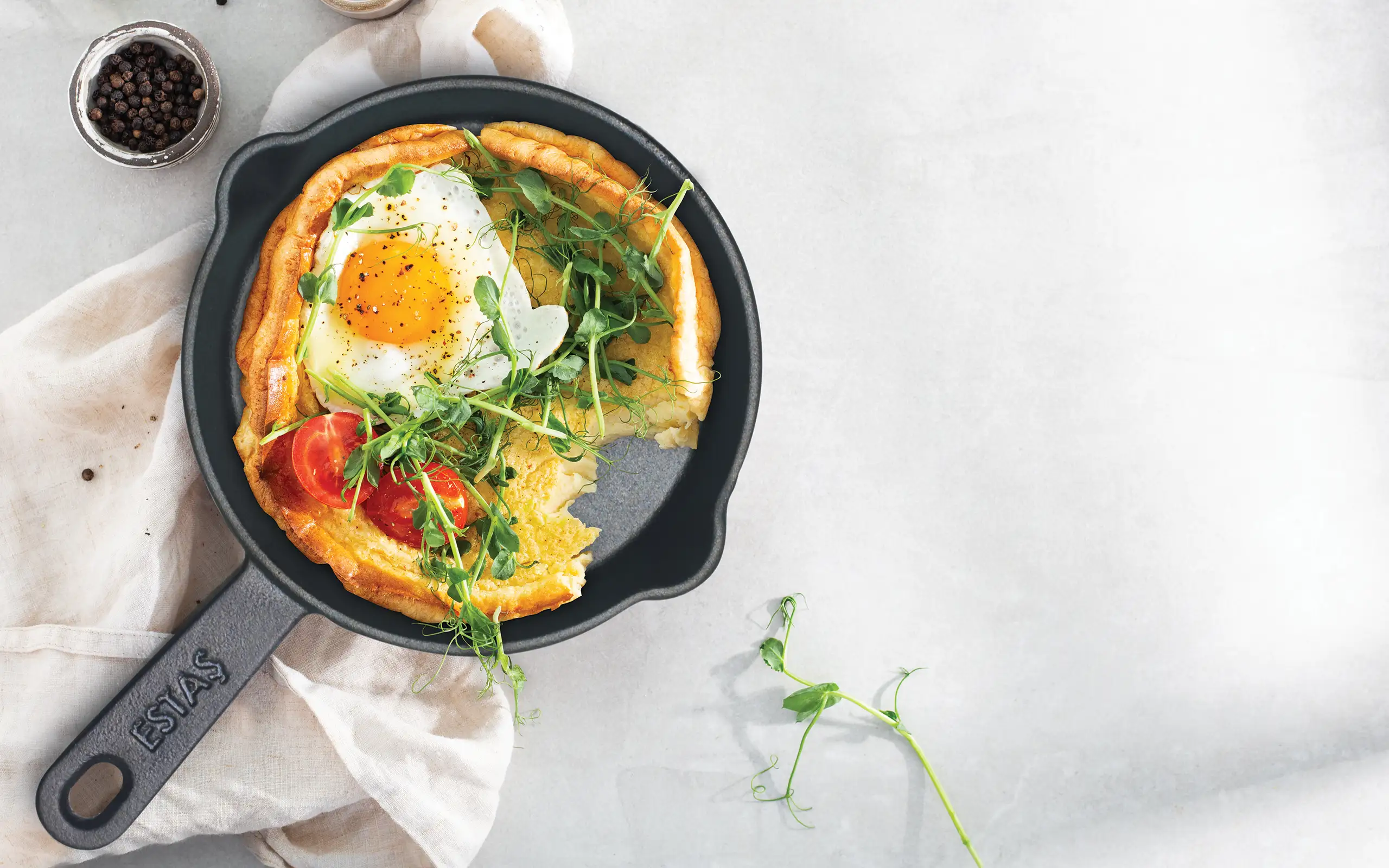
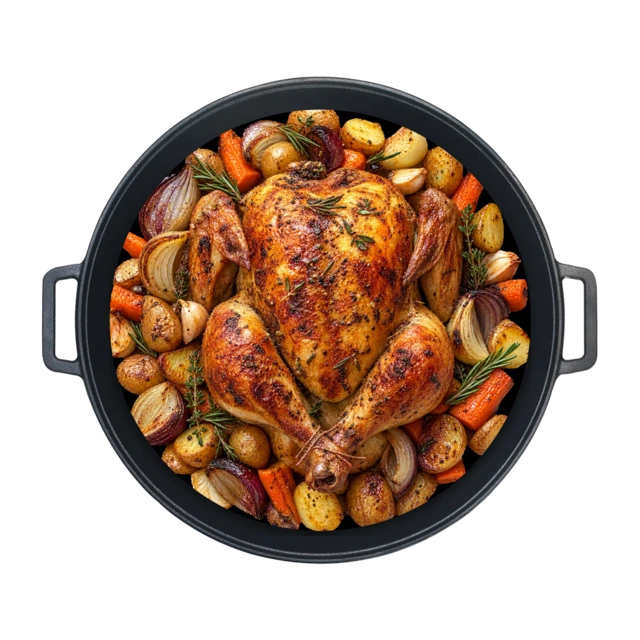
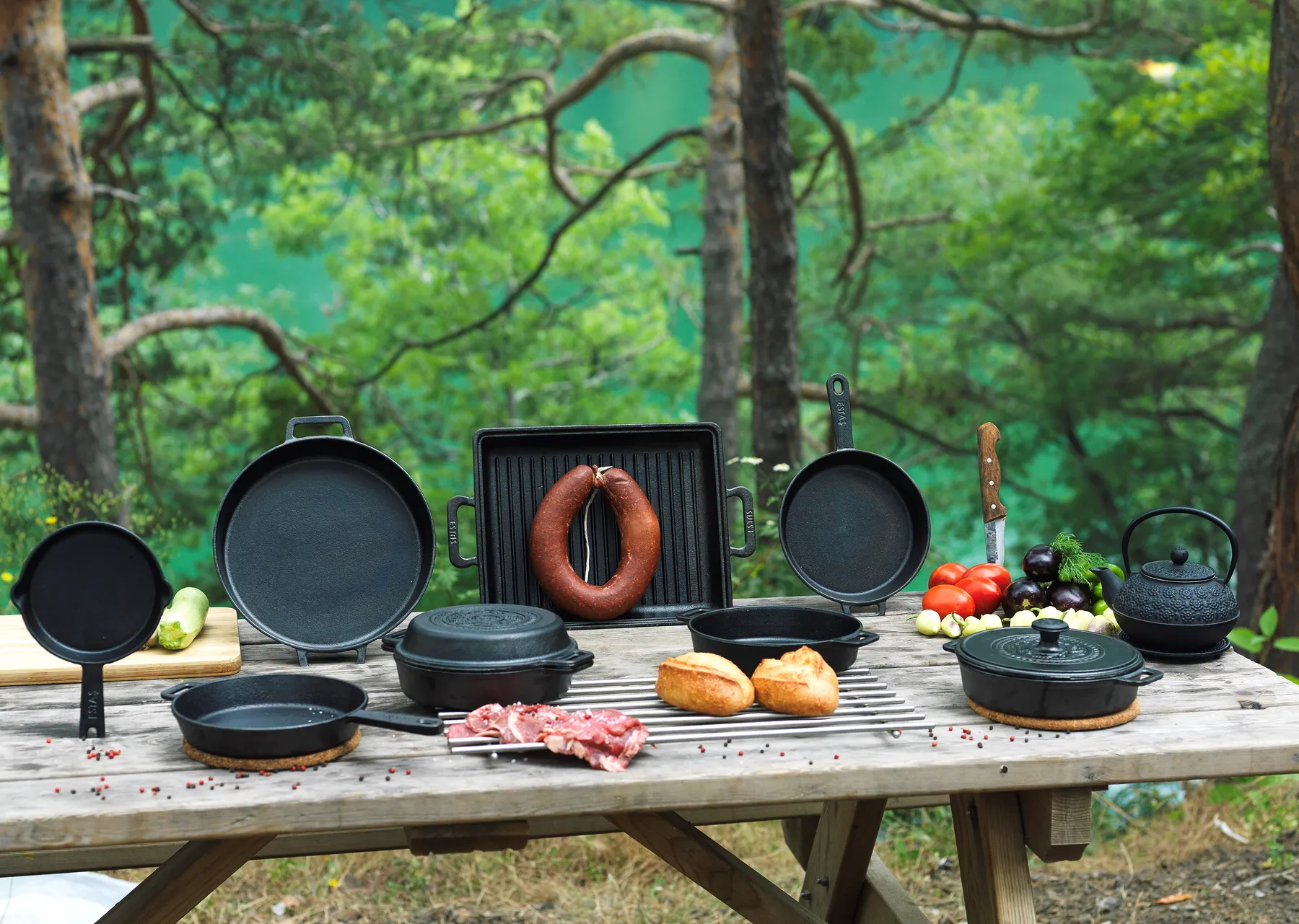
From Divriği pilaf to slow lamb neck, from eggs to quince dessert. The same pan cooks on the hob and serves at the table.
You understand it the moment you pick one up.
Every size, lid and accessory is in our catalogue. Write to us for distribution and wholesale.